Pool Fence Laws in Texas: What Every Brownsville Homeowner Needs to Know
A Brownsville homeowner called us a few years back in a full panic.
She had just finished a beautiful pool installation in her backyard. New concrete deck. New landscaping. The whole thing looked exactly the way she had imagined it for years. Then her contractor mentioned — almost as an afterthought on the way out — that Texas law required a fence around the pool before anyone could legally use it.
Nobody had told her. Not the pool builder. Not the permit office. Not the real estate agent who sold her the house two years earlier when the pool was already in the ground.
She had a brand new pool she could not legally let her grandchildren swim in.
That situation is more common than it should be. Pool fence laws in Texas are clear and carry real consequences — but a surprising number of Brownsville homeowners either do not know they exist or do not fully understand what they require.
Here is a straightforward breakdown of everything you need to know.
Texas Law Requires a Barrier Around Every Residential Pool
Texas Health and Safety Code Chapter 757 makes it mandatory.
Every residential swimming pool in Texas must have a barrier that meets the state’s minimum safety requirements. This applies to in-ground pools, above-ground pools, and any other pool that holds water to a depth of 18 inches or more. It does not matter when the pool was built. Old pools and new pools carry the same requirement.
The law exists for one reason — drowning is the leading cause of accidental death in children under five years old in Texas. The Texas Department of State Health Services reports that Texas loses more children to drowning each year than almost any other state in the country. A proper pool barrier is one of the most effective tools available for preventing those tragedies.
The Minimum Requirements Under Texas Law
Texas adopted the International Residential Code as its baseline standard for pool barriers. Here is what the law requires at minimum.
Fence Height
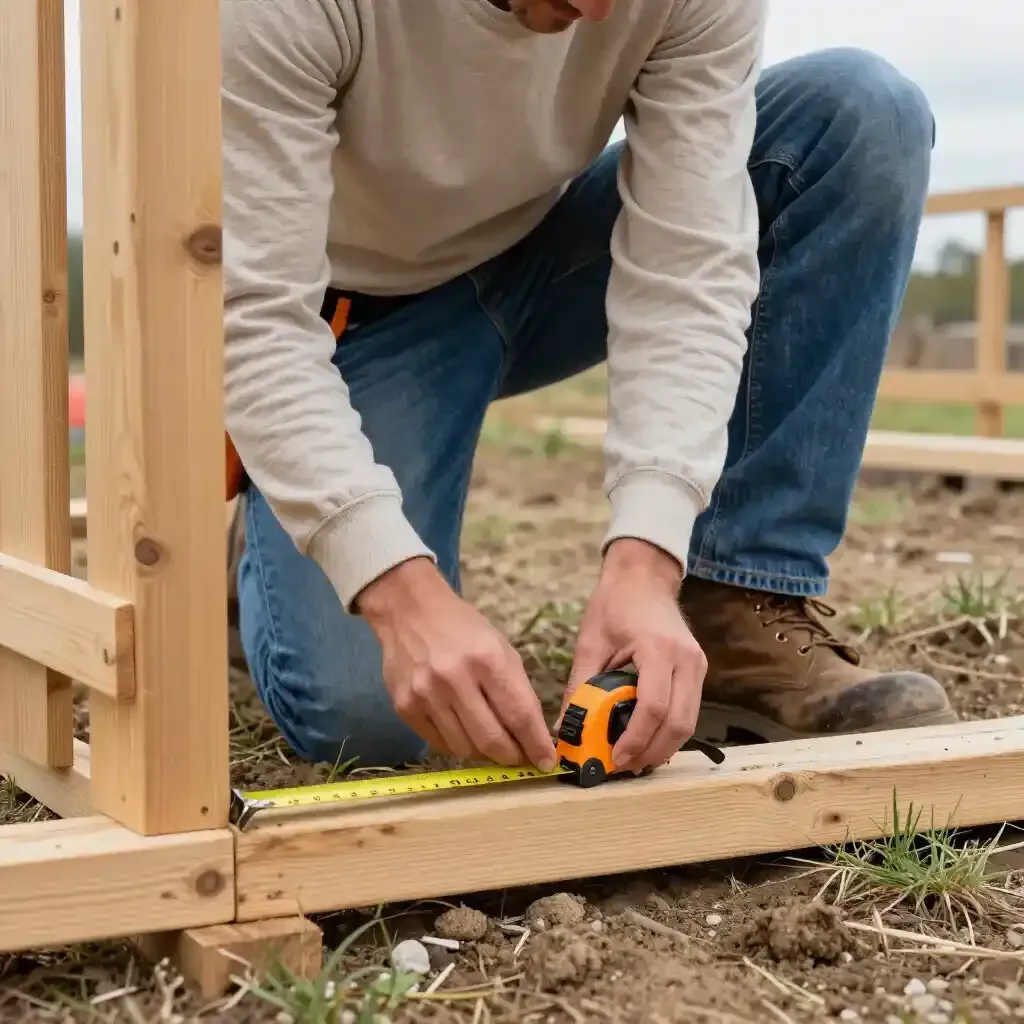
The barrier must stand at least 48 inches tall. This applies to every side of the pool enclosure. A barrier shorter than 48 inches does not meet code regardless of material or style.
Gate Requirements
Every gate in a pool fence must meet three specific requirements. It must be self-closing — meaning it swings shut on its own without anyone pushing it. It must be self-latching — meaning it catches and holds closed automatically. And it must open outward away from the pool, not toward it.
Latch Placement
The latch must sit at least 54 inches above the ground. This height puts the latch out of reach for young children approaching the gate from outside the pool area. If the latch sits on the pool side of the gate, it must be placed at least three inches below the top of the gate to prevent a child from reaching over and releasing it.
Opening Size
No gap or opening in the fence can allow a four-inch sphere to pass through. This standard closes off any opening large enough for a small child to squeeze through or reach through to manipulate a latch.
Climb Resistance
The barrier must not provide easy footholds for climbing. Chain link with large diamond openings can fail this standard. Horizontal rails on the outside face of a fence give children a ladder — that design does not meet Texas pool barrier code.
What the City of Brownsville Adds
Texas law sets the floor. Local municipalities can raise it.
The City of Brownsville enforces its own building code requirements on top of state law. Local requirements may specify additional gate hardware standards, setback distances from the pool edge, and permit conditions specific to Brownsville properties.
Before any pool fence installation in Brownsville, a permit application goes to the city. An inspector reviews the fence once it is installed and must sign off before the pool is considered compliant. Brownsville Fencing Company handles the permit process on every pool fence job — including the inspection coordination — so the homeowner does not have to navigate city hall alone.
What Happens If Your Pool Is Not Compliant
Non-compliance carries consequences on multiple fronts.
The City of Brownsville can issue fines for pools operating without a compliant barrier. Your homeowner’s insurance policy may deny a liability claim related to a pool incident if the pool was not properly secured at the time of the event. In the most serious cases, an improperly secured pool that results in a child drowning exposes the homeowner to significant civil liability.
Beyond the legal and financial exposure — the human cost speaks for itself.
A proper pool fence is not a bureaucratic checkbox. It is the most important safety feature your pool can have.
The Most Common Pool Fence Violations in Brownsville
After years of pool fence installations across Cameron County, these are the violations we see most often on existing pool fences:
- Gates that no longer self-close due to corroded or worn hinges
- Latches that have shifted out of alignment and no longer catch properly
- Fence sections that have leaned or settled below the 48-inch height requirement
- Gaps that have opened between fence panels or at post bases over time
- Horizontal rail designs on the outside face that allow easy climbing
Any one of these puts a homeowner out of compliance — even if the fence passed inspection when it was first installed.
Which Pool Fence Styles Meet Texas Code in Brownsville
Several fence styles satisfy Texas pool barrier requirements. The right choice depends on your yard, your budget, and how important the view of the pool is from your home or patio.
- Aluminum fencing — One of the most popular choices for Brownsville pool enclosures. Rust-resistant with a powder coat finish, open picket design maintains visibility to the water, and it meets climb-resistance requirements when installed with vertical pickets and no outward-facing horizontal rails.
- Glass panel fencing — A premium option that delivers an unobstructed view of the pool from inside the home. Fully compliant with Texas code and exceptionally well-suited to Brownsville’s outdoor living culture.
- Vinyl fencing — Solid panel vinyl meets all Texas barrier requirements and adds privacy to the pool area. A strong choice for homeowners who want to block the street view of the pool entirely.
- Wrought iron fencing — A classic look that performs well for pool enclosures when installed with vertical pickets, a proper rust-resistant coating, and compliant gate hardware. Requires more maintenance in Brownsville’s humid coastal climate than aluminum.
Already Have a Pool Fence? Here Is What to Check
If your Brownsville home already has a pool fence, run through this checklist at least once a year — and always after a major storm.
- Open the gate and let go. Does it swing fully closed and latch on its own?
- Measure the fence height on every side. Does it still clear 48 inches?
- Check all gaps between panels and at post bases. Can anything larger than four inches pass through?
- Look at the outside face of the fence. Does it offer any obvious foothold for climbing?
- Inspect hinges and latch hardware for rust or wear that affects function
A fence that passed inspection three years ago may not pass today if the hardware has corroded or the posts have shifted.
Let Us Make Sure Your Pool Fence Meets the Standard
Brownsville Fencing Company installs and repairs pool fences throughout Brownsville and Cameron County. We know Texas pool barrier code inside and out. We handle permits, manage inspections, and install every pool fence to meet both state requirements and City of Brownsville standards.
Contact us today for a free estimate. Whether you need a new pool fence installed or an existing one brought up to code, we will give you a straight answer and a clear plan from the first call.
You might also like